

Irritable Bowel Syndrome (IBS)
Irritable Bowel Syndrome (IBS)
Untreated Irritable Bowel Syndrome (IBS) often leads to significant, chronic, and lifestyle-limiting complications, including hemorrhoids, anal fissures, severe nutritional deficiencies, and dehydration. It causes chronic pain, severe mental health issues like anxiety and depression, and negatively impacts work, social life, and sleep quality.
Irritable bowel syndrome (IBS) is a common condition that affects the stomach and intestines, also called the gastrointestinal tract. Symptoms include cramping, belly pain, bloating, gas, and diarrhea or constipation, or both. IBS is an ongoing condition that needs long-term management.
Only a small number of people with IBS have severe symptoms. Some people can control their symptoms by managing diet, lifestyle and stress. More-severe symptoms can be treated with medicine and counseling.
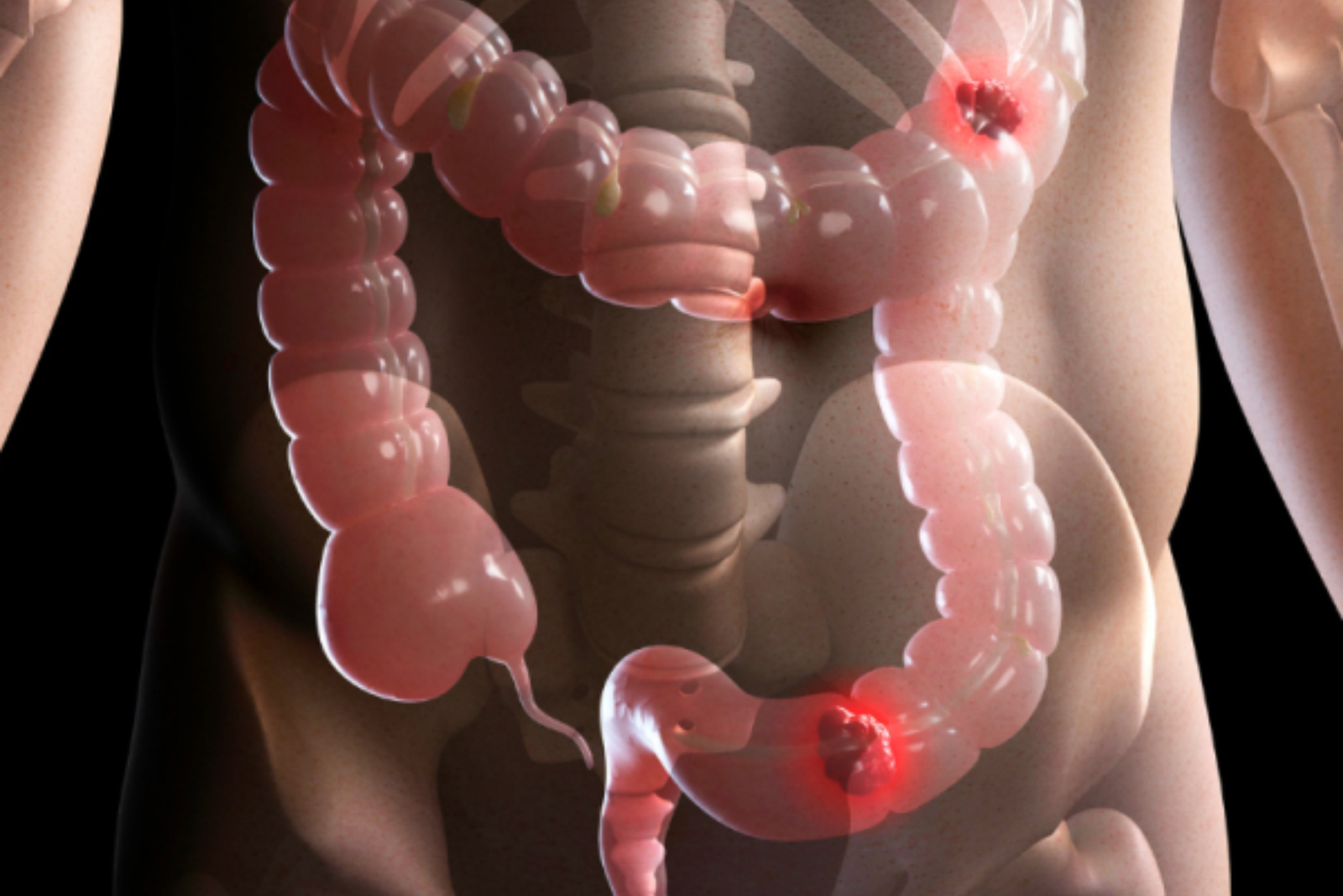
Signs and symptoms
IBS doesn't cause changes in bowel tissue or increase risk of colorectal cancer.
Symptoms of IBS vary but are usually present for a long time. The most common include:
- Belly pain, cramping or bloating that is related to passing stool.
- Changes in appearance of stool.
- Changes in how often you are passing stool.
- Other symptoms that are often related include sensation of incomplete evacuation and increased gas or mucus in the stool.
When to see a doctor
See a healthcare professional if you have a persistent change in bowel habits or other symptoms of IBS. They may mean a more serious condition, such as colon cancer. More-serious symptoms include:
- Weight loss.
- Diarrhea at night.
- Rectal bleeding.
- Iron deficiency anemia.
- Unexplained vomiting.
- Pain that isn't relieved by passing gas or stool.