

Gas and Bloating
Gas and bloating:
Complications of chronic gas and bloating include significant abdominal pain, cramping, and a feeling of fullness or tightness in the belly. It can lead to persistent constipation, diarrhea, nausea, reduced appetite, and severe discomfort. Chronic issues may indicate underlying conditions like IBS, food intolerances, or SIBO.
Overview
Gas in your digestive symptom is part of the typical process of digestion. Getting rid of excess gas, either by burping or passing gas, called flatus, also is a typical bodily function. Gas pain can happen if gas is trapped or not moving well through your digestive system.
An increase in gas or gas pain may happen after eating foods that are more likely to produce gas. Often, simple changes in eating habits can lessen bothersome gas.
Certain digestive system disorders, such as irritable bowel syndrome or celiac disease, may cause an increase in gas or gas pain.
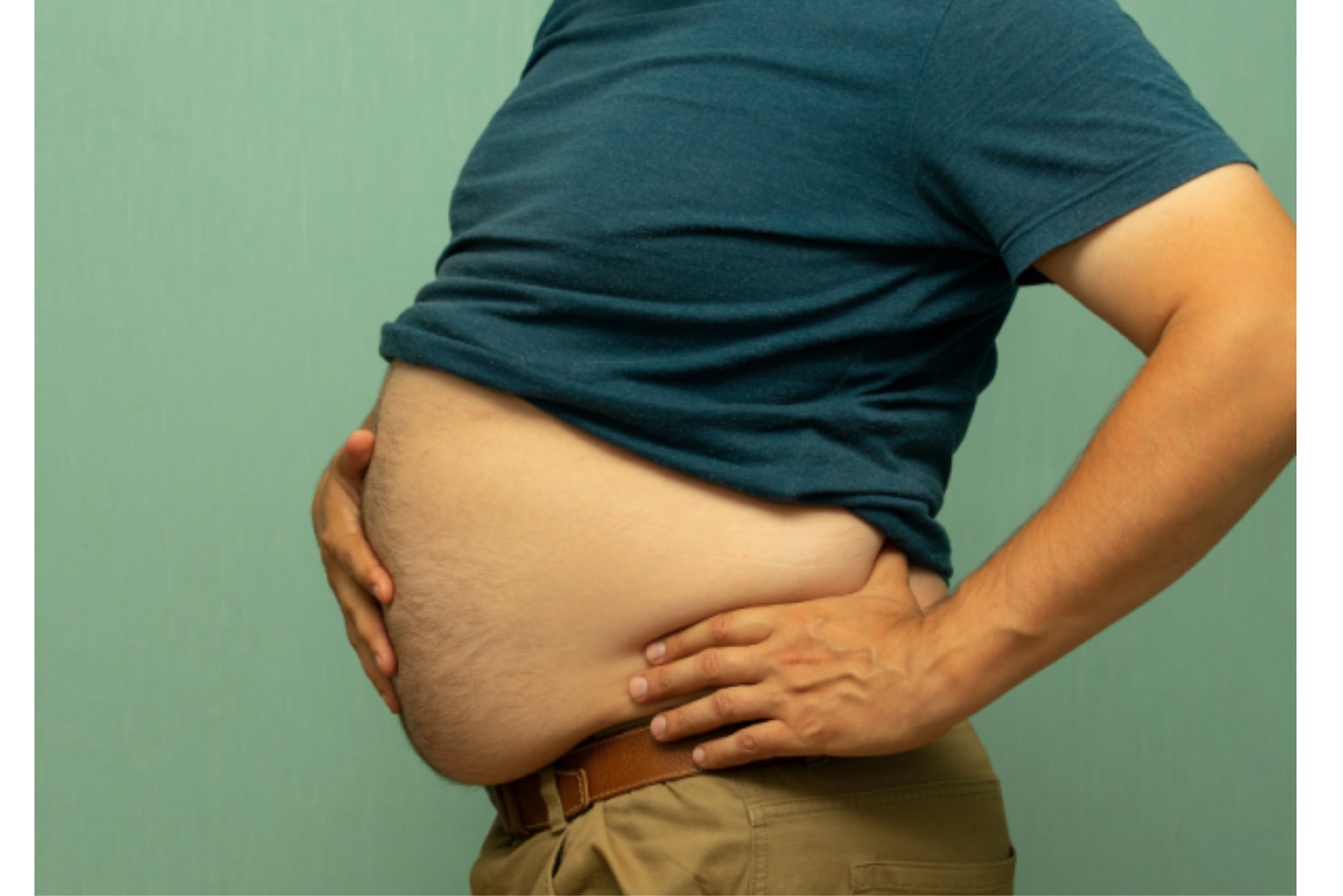
Symptoms associated with gas or gas pains include:
- Excessive burping.
- Passing excessive gas.
- Pain, cramps or a knotted feeling in your stomach.
- A feeling of fullness or pressure in your belly, called bloating.
- A noticeable increase in the size of your belly, called distention.
Burping is normal, particularly during or right after a meal. Most people pass gas up to 20 times a day. Therefore, while having gas may be inconvenient or embarrassing, burping and passing gas are rarely by themselves a sign of a medical problem.
When to see a doctor
Talk to a healthcare professional if your gas or gas pains won't go away or are severe enough to interfere with your ability to function well in daily life. Gas or gas pains accompanied by other symptoms may mean more-serious conditions. See your healthcare professional if you have any of these additional symptoms:
- Bloody stools.
- Change in consistency of stools.
- Change in frequency of bowel movements.
- Weight loss.
- Constipation or diarrhea.
- Ongoing or recurrent nausea or vomiting.