

fatty-liver
Fatty Liver
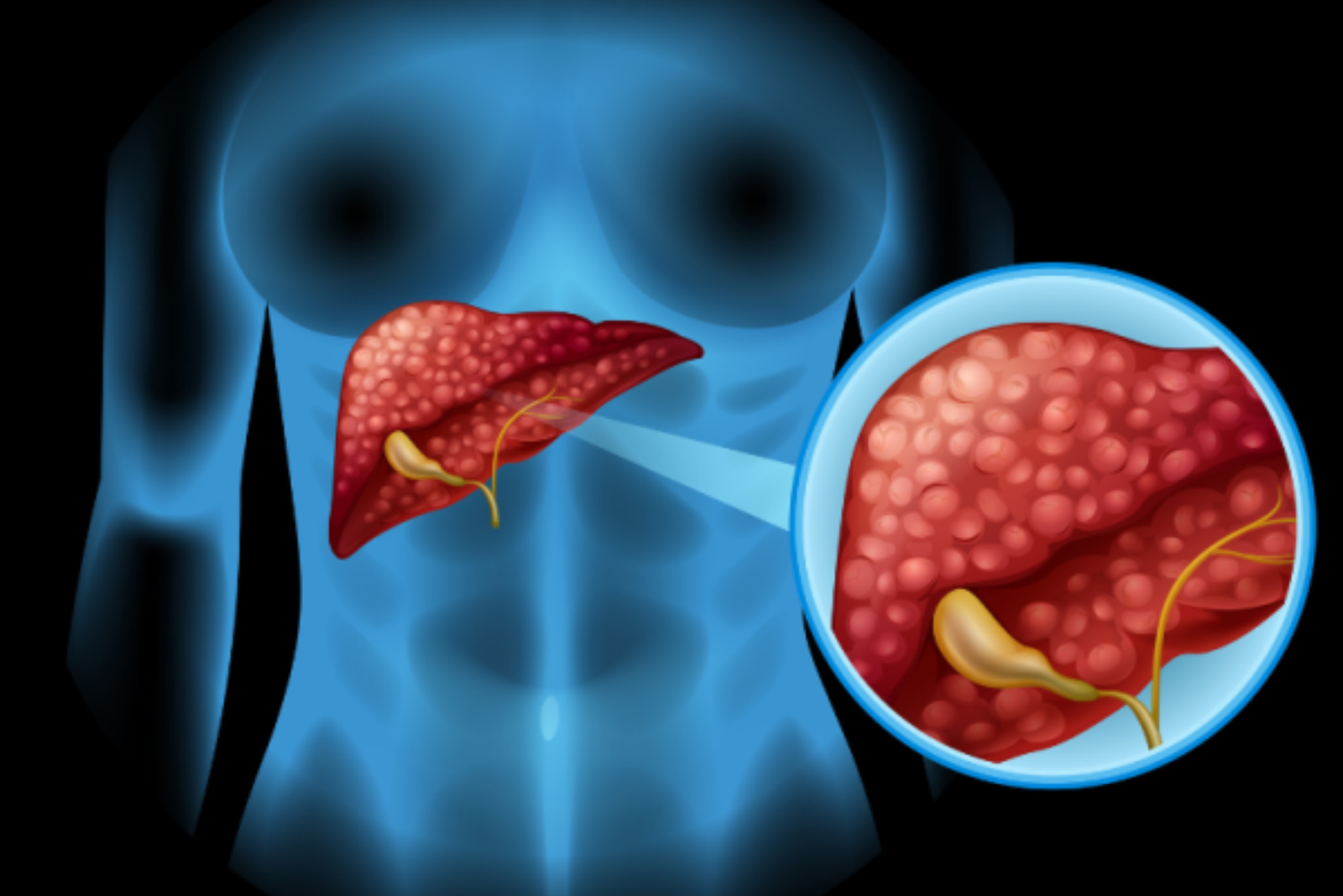
Fatty liver disease (both alcoholic and non-alcoholic) can progress from simple fat buildup to severe, irreversible liver damage. Key complications include chronic inflammation (MASH/NASH), severe liver scarring (cirrhosis), liver cancer, liver failure, and increased risk of cardiovascular disease, kidney disease, and type 2 diabetes.
Metabolic dysfunction-associated steatotic liver disease (MASLD), formerly called nonalcoholic fatty liver disease (NAFLD), is a liver condition that affects people with excess weight, obesity or other metabolic conditions, such as type 2 diabetes, high blood pressure or high cholesterol. In MASLD, too much fat builds up in the liver.
Due to severe complications associated with fatty liver and its progressive nature, this condition demands immediate attention from a gastroenterologist and SGC is the place where we care and cure all your liver issues.
Epidemiology
MASLD is becoming more common, especially in Middle Eastern and Western nations, as the number of people with obesity rises. It is the most common form of liver disease in the world. MASLD ranges in severity from hepatic steatosis — sometimes called diffuse hepatic steatosis, or formerly fatty liver infiltration or simply fatty liver — to a more severe form of disease called metabolic dysfunction-associated steatohepatitis (MASH), formerly called nonalcoholic steatohepatitis (NASH).
Signs and symptoms
MASH causes the liver to swell or enlarge. This is known as hepatomegaly. MASH also causes fat deposits in the liver, which causes liver damage. MASH may get worse and may lead to serious liver scarring, called cirrhosis, or even liver cancer. This damage is like the damage caused by heavy alcohol use.
Life expectancy varies depending on whether you have MASLD or MASH. Factors such as scarring and other health conditions also affect how long you can live with MASLD or MASH.
MASLD often has no symptoms. When it does, they include:
- Feeling very tired, also called fatigue.
- Not feeling well, known as malaise.
- Pain or discomfort in the upper right belly area.
Possible symptoms of MASH and cirrhosis, which is severe scarring, include:
- Itchy skin.
- Abdominal swelling, also called ascites (uh-SY-teez).
- Shortness of breath.
- Swelling in the legs.
- Spiderlike blood vessels just beneath the skin's surface.
- Enlarged spleen.
- A change in skin color on the palms.
- Yellowing of the skin and eyes, also called jaundice.
Prevention
To reduce your risk of MASLD:
- Eat a healthy diet. Eat a diet that's rich in fruits, vegetables, whole grains and healthy fats. One such diet is the Mediterranean diet.
- Limit alcohol, simple sugars and portion sizes. Avoid sugary drinks such as soda, sports drinks, juices and sweet tea. Avoid or limit alcohol, which can damage the liver.
- Keep a healthy weight. If you are overweight or have obesity, work with your healthcare team to gradually lose weight. If you are at a healthy weight, work to keep it by eating a healthy diet and exercising.
- Exercise. Be active most days of the week. Get an OK from your healthcare team first if you haven't been exercising regularly.